
What Is a Coronectomy? When It Beats Full Wisdom Tooth Removal
The short answer: a coronectomy removes the crown of an impacted wisdom tooth, the part that causes pain, infection, and damage to neighboring teeth, while deliberately leaving the roots in place. Surgeons recommend it when imaging shows the roots wrapped around or pressing against the inferior alveolar nerve, the nerve that gives feeling to your lower lip, chin, and gums. In those high-risk cases, pulling the whole tooth can injure the nerve, and a coronectomy removes the problem while protecting the feeling in your face.
Here is how the procedure works, when it makes more sense than wisdom teeth removal, and what the research says about leaving roots behind.
Why Would a Surgeon Leave the Roots In?
It sounds counterintuitive. The reason is anatomy. Lower wisdom tooth roots often sit directly on top of, or even hooked around, the inferior alveolar nerve canal. When a 3D CT scan shows that kind of intimate contact, extracting the full tooth carries a meaningful risk of temporary or permanent numbness in the lip and chin.
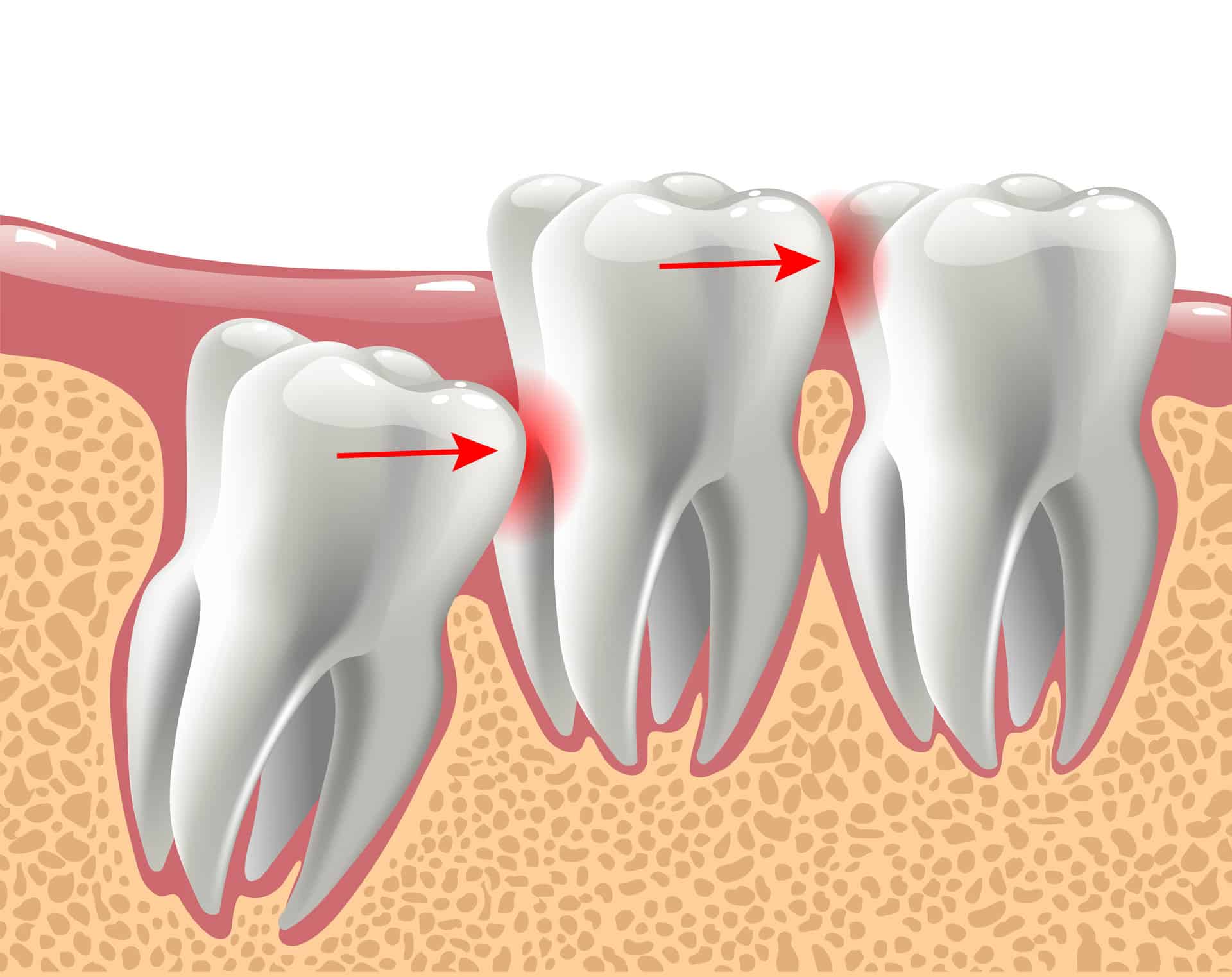
The crown of the tooth is what causes nearly all wisdom tooth problems: pericoronitis (gum infection around a partially erupted tooth), decay, cyst formation, and pressure on the second molar. The roots, once the crown is gone and the site heals over, rarely cause trouble. A coronectomy takes out the troublemaker and leaves the low-risk portion where it is.
Coronectomy vs. Full Extraction: How to Think About It
Neither procedure is universally better. The right choice depends on what your imaging shows:
- Full extraction is the default. When the roots are clear of the nerve, complete removal is straightforward and eliminates the tooth entirely. Most wisdom teeth fall in this category.
- Coronectomy is the nerve-protection option. When the roots are in close contact with the nerve canal, studies consistently show coronectomy produces far lower rates of nerve injury than extraction of the same high-risk teeth.
- Coronectomy is not for every tooth. If the tooth is mobile, badly decayed into the roots, or actively infected at the root level, the roots cannot safely stay, and extraction is the better path.
What Happens During a Coronectomy
The procedure feels much like a standard wisdom tooth extraction from the patient side. Most patients choose IV sedation or general anesthesia and sleep through it. Your surgeon opens the gum, sections the tooth, removes the entire crown, smooths the remaining root surface below the bone level, and closes the site with sutures. The gum heals over the retained roots, and bone typically forms on top of them.
What Happens to the Roots Over Time?
This is the question patients ask most, and the honest answer is reassuring. In most cases the retained roots stay quiet permanently. Long-term studies show two things worth knowing:
- Root migration is common and usually harmless. The roots often drift slowly upward, away from the nerve, over the first couple of years. This movement actually makes them safer, not more dangerous.
- A small percentage need a second procedure. Occasionally a migrated root erupts toward the surface or becomes symptomatic. If that happens, removing it is now a low-risk procedure, because the roots have moved away from the nerve.
Your surgeon will outline a follow-up plan so any changes are caught early.
Recovery After a Coronectomy
Recovery is similar to a routine extraction and often slightly easier: swelling and soreness for a few days, a soft diet during early healing, and most patients back to normal routines within a week. The usual aftercare rules apply: no straws, no smoking, and keep the site clean as directed.
Frequently Asked Questions
Is a coronectomy safe long term?
Yes, for correctly selected teeth. Research on retained roots after coronectomy shows low complication rates, and the trade is favorable: a small chance of needing a simple second procedure versus a meaningful risk of permanent nerve injury from extracting a high-risk tooth whole.
Will I be numb after a coronectomy?
Protecting sensation is the entire point of the procedure. Nerve injury rates after coronectomy are dramatically lower than after full extraction of nerve-involved teeth, which is why surgeons reach for it in exactly those cases.
How do I know which procedure I need?
Imaging decides it. A panoramic X-ray raises the suspicion, and a 3D CT scan confirms exactly where your roots sit relative to the nerve canal. Our board-certified oral surgeons review the scan with you and explain which option your anatomy calls for.
Does insurance cover coronectomy?
Coverage generally follows the same rules as surgical wisdom tooth removal. Our team verifies your benefits before the procedure so there are no surprises.
Get a Straight Answer About Your Wisdom Teeth
If you have been told your wisdom tooth roots are close to the nerve, or you simply want a definitive plan for a tooth that keeps acting up, we can help. Review the details of the coronectomy procedure, then find your nearest MOSA location in Annapolis, Bethesda, College Park, Crofton, Frederick, Laurel, Rockville, or Silver Spring to schedule a consultation.


